
Unlocking Nature's Secrets: A Review of 'Creature Features'!
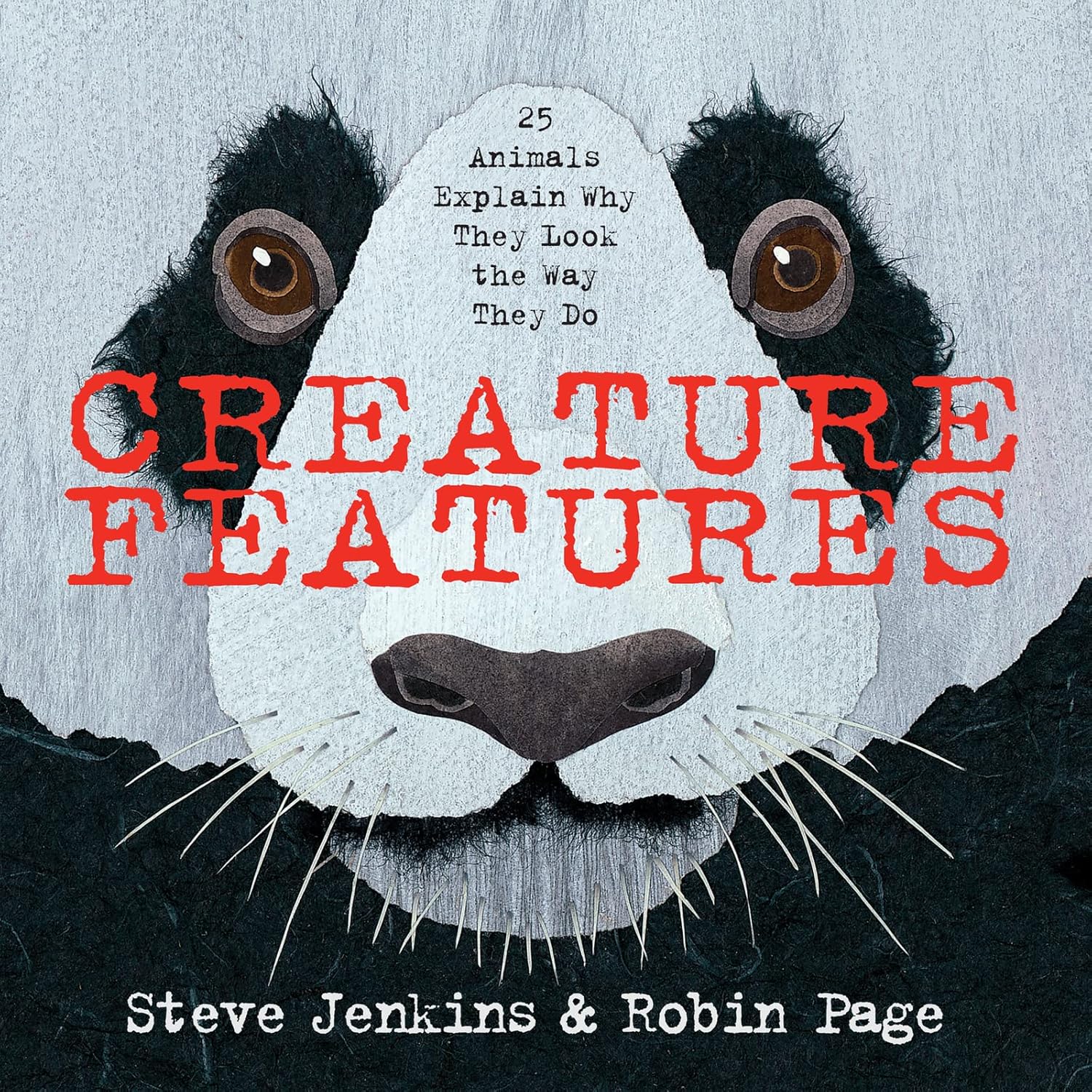
Unlocking Nature's Secrets: A Review of Creature Features: Twenty-Five Animals Explain Why They Look the Way They Do
Understanding the natural world is a fascinating journey, especially when it comes to the unique appearances of animals. Creature Features: Twenty-Five Animals Explain Why They Look the Way They Do offers readers a delightful exploration into the curious traits of various animals, unraveling the mysteries behind their unusual features. Aimed at young readers and animal enthusiasts alike, this nonfiction book combines humor, science, and education to make learning about animal adaptations both accessible and entertaining.
Key Features
This book stands out in several notable ways:
- Engaging Animal Conversations: Each animal in Creature Features "speaks" directly to the reader, explaining its distinctive features in a humorous and approachable manner. For instance, the axolotl clarifies that what appear as feathers on its head are actually gills, essential for underwater breathing. This narrative style adds personality to the animals and keeps readers intrigued.
- Educational Focus on Adaptations: Beyond fun facts, the book emphasizes why certain animals have evolved specific traits to survive in their environments. It includes information on where these creatures live and their diets, providing a well-rounded understanding of their ecological niches.
- Visual Appeal: Rich illustrations accompany each animal’s story, helping readers visualize the creatures and their defining characteristics. These visuals not only attract attention but also aid comprehension, especially for younger audiences.
- STEM Introduction: Multiple reviewers highlight the book's effectiveness as an entry point into science, technology, engineering, and mathematics (STEM) topics. It encourages critical thinking about nature’s designs and adaptations, making it a valuable resource for educators and parents.
Pros & Cons
Pros:
Discover the Secrets of Animal Features!
- Customers praise the book’s blend of humor and factual information, which makes learning enjoyable.
- The conversational tone helps demystify complex biological concepts, making the material accessible to children.
- It serves as a useful educational tool for teaching about animal adaptations in classrooms or at home.
- The engaging visuals amplify interest and understanding.
Cons:
Uncover the Mysteries Behind Animal Looks!
- A few readers wished for more in-depth scientific explanations, suggesting the book is better suited for younger or casual readers rather than serious biology students.
- Some noted that with only twenty-five animals covered, readers hungry for extensive detail might find the scope limited.
Who Is It For?
Creature Features is ideal for young readers, particularly elementary and middle school students, who are curious about animals and nature. Parents and educators looking for an approachable, entertaining way to introduce adaptation concepts will find it especially useful. The book also suits anyone interested in fun, fact-based stories about why animals look the way they do, making it a worthy addition to family bookshelves and school libraries.
Explore the Fascinating Reasons for Animal Designs!
Final Thoughts
With a glowing 4.8-star rating based on over 220 reviews, Creature Features: Twenty-Five Animals Explain Why They Look the Way They Do proves to be a captivating, informative book that successfully combines education and entertainment. While it may not delve deeply into advanced scientific theory, its approachable style and charming presentation make it an excellent stepping stone into the world of animal adaptations and STEM learning. Priced affordably, this book unlocks nature’s secrets in a way that invites readers, young and old, to marvel at the incredible designs of the animal kingdom.
Consumer Ability participates in the Amazon Associates Program and earns from qualifying purchases.