
Unlocking Car Mysteries: A Review of the Automotive Scan Tool PID Diagnostics
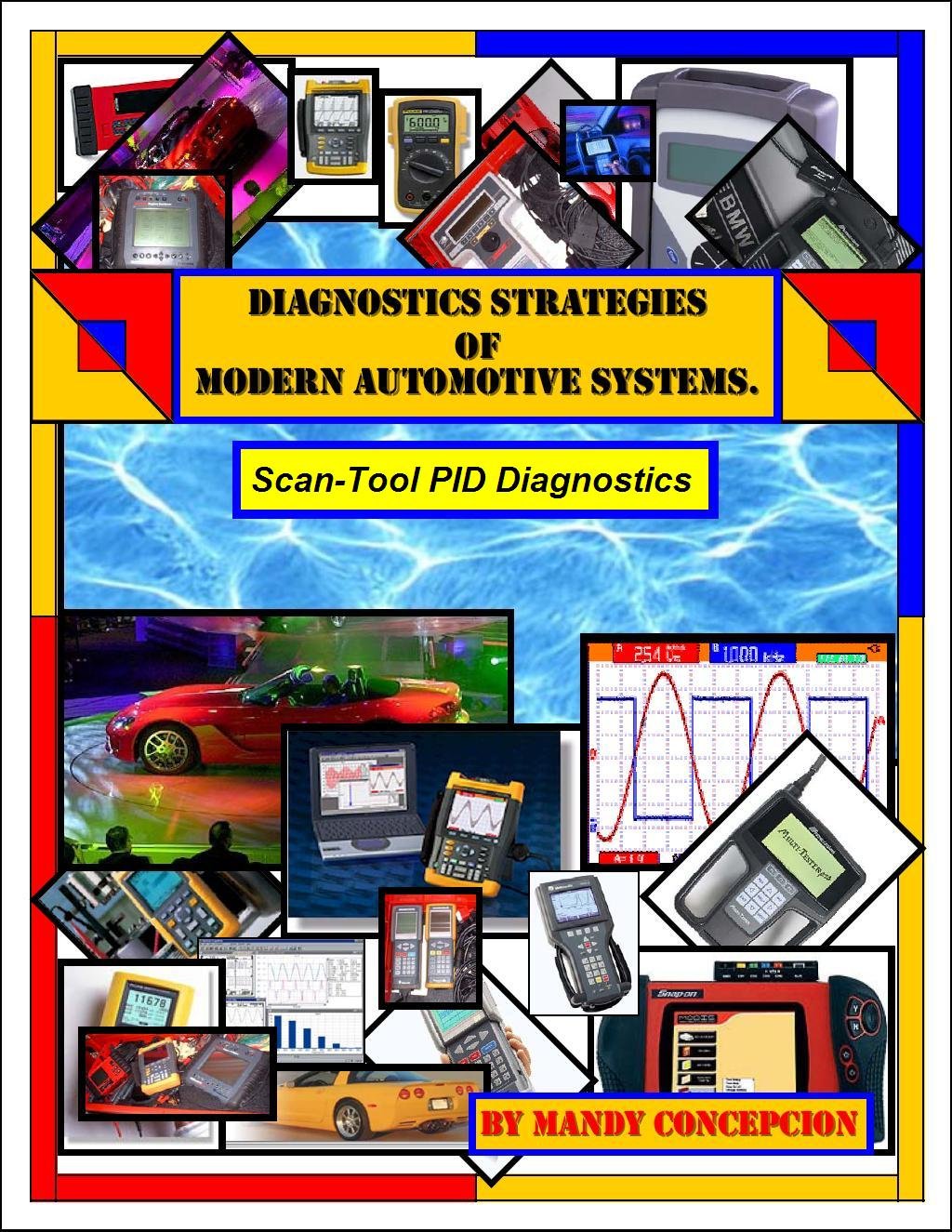
When it comes to modern automotive repair, precision and speed are crucial. Troubleshooting complex engine issues can often feel like finding a needle in a haystack without the proper diagnostic tools and techniques. The Automotive Scan Tool PID Diagnostics (Diagnostic Strategies of Modern Automotive Systems Book 6) offers a comprehensive guide designed to enhance the technician’s ability to quickly and accurately diagnose vehicle problems using scan tool parameter identifications (PIDs). This book delves into the theory and practical application of PID analysis, a method becoming indispensable in automotive diagnostics.
Key Features
The Automotive Scan Tool PID Diagnostics is a thorough technical manual covering a range of PID-based diagnostic strategies for OBD I and OBD II systems. Key features include:
- Comprehensive Coverage of PID Theory: Explains the underlying principles behind generic and enhanced PIDs, differentiating their functions and how scanners interpret data to assist diagnostics.
- Practical Diagnostic Tests: Nine detailed tests including fuel consumption analysis, misfire detection, air/fuel ratio faults, clogged catalytic converter detection, EGR fault detection, and more. Each test provides step-by-step instructions and real-world examples to help pinpoint specific engine issues accurately.
- Advanced Fault Detection Techniques: Focuses on diagnosing common causes of the “Check Engine” light, such as fuel delivery problems, misfires, sensor malfunctions, EGR issues, and sensor heater problems, which make up the majority of engine faults.
- Driver Seat Diagnostics Concept: Highlights a modern approach where much of the preliminary diagnosis is done with the scan tool data right from the driver's seat, streamlining the troubleshooting process before manual inspections.
- Extensive Use of OBD Data: Deep dives into how to analyze fuel trims, airflow sensors (MAP/MAF), engine load, ignition timing, injector pulse width, and more, providing insights into engine performance dynamics.
- Reset and Test Procedures: Includes strategies for resetting fuel trims, interpreting vacuum readings during cranking, and understanding the relationship between various PIDs and physical engine conditions.
Overall, the book acts as a specialized reference for applying scan tool data to quickly narrow down faults, saving diagnostic time and reducing guesswork.
Unlock Advanced Diagnostics Now!
Pros & Cons
Pros
- Detailed and Technical: The book offers an in-depth, stepwise diagnostic approach tailored for professional or serious DIY mechanics, breaking down complex PID data into actionable insights.
- Enhances Diagnostic Confidence: Users gain clear strategies for interpreting scanner data, which improves confidence in identifying and verifying engine faults before costly repairs.
- Covers Both OBD I & II: The inclusion of both older and newer diagnostic systems makes it versatile for a variety of vehicles.
- Practical Examples: Real diagnostic scenarios help readers understand theory application in real-world contexts.
- Highly Rated: With an average rating of 4.4 stars from 56 reviews, users appreciate its technical accuracy and practical value.
Cons
- Steep Learning Curve: Some readers find the material quite technical and dense, which may be challenging for novices or those new to automotive diagnostics.
- Outdated in Some Areas: While the core diagnostic techniques remain valid, some users mention that the book’s copyright dates (2004, 2011) may not cover the very latest vehicle systems and PIDs on modern cars.
- Lacks Visual Aids: A few reviewers note limited illustrations or diagrams, making it harder for visual learners to fully grasp some concepts.
Who Is It For?
This book is ideal for professional automotive technicians, advanced hobbyists, and automotive students who want to deepen their understanding of scan tool diagnostics and parameter ID analysis. It is particularly useful for those who regularly work with OBD I and OBD II systems and want to accelerate the diagnostic phase by leveraging detailed PID data. Mechanics looking to upgrade their diagnostic skills beyond simple code reading will find this a valuable addition to their toolkit.
Explore the Ultimate Automotive Guide
On the other hand, it may not be the best starting point for beginners without foundational knowledge of automotive engine systems or diagnostics. A basic understanding of engine mechanics and scan tools will help readers maximize this book’s content.
Get Your Automotive Scan Tool Today!
Final Thoughts
The Automotive Scan Tool PID Diagnostics (Book 6 of the Diagnostic Strategies of Modern Automotive Systems series) is a comprehensive and technically detailed resource that unlocks the power of scan tool PID data to speed up and refine vehicle troubleshooting. Its systematic approach to analyzing sensor outputs and fuel/ignition parameters goes beyond basic code reading to truly "drive" the diagnostic process from the seat of the technician.
While the dense technical content and dated examples may present a challenge for casual readers, professionals and advanced users will appreciate the methodical fault isolation techniques provided. If you aim to enhance your diagnostic accuracy and efficiency on modern engines using OBD scan tools, this book offers a solid foundation packed with practical tests and insightful analysis.
Consumer Ability participates in the Amazon Associates Program and earns from qualifying purchases.
In summary, the Automotive Scan Tool PID Diagnostics is a valuable manual for automotive diagnostic professionals seeking to elevate their skills and reduce the time spent chasing engine problems with guesswork. It bridges traditional mechanical diagnostics and modern electronic data analysis, embodying the future-forward "driver seat diagnostics" concept for automotive repair.