
Unlock the Power of Scientific Computing with Modern C++: A Comprehensive Review
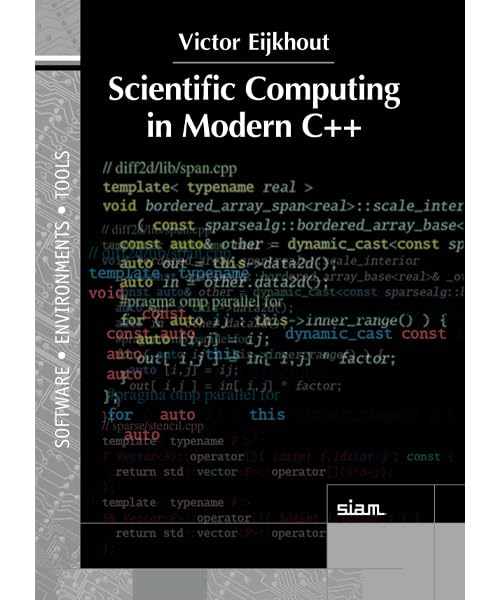
Scientific computing demands not only a solid grasp of programming principles but also an understanding of how these principles apply to complex computational problems. Scientific Computing in Modern C++ offers a focused exploration of C++ tailored expressly for scientific applications. Geared toward programmers with a foundational knowledge of C++, this book delves into modern language features and specialized idioms that enhance productivity and performance in scientific projects. Whether you're a student stepping into the world of computational science or a developer aiming to deepen your domain-specific expertise, this book stands out by bridging core C++ concepts with scientific computing needs.
Key Features
Focused on Scientific Computing Applications
Unlike general C++ textbooks, Scientific Computing in Modern C++ zeroes in on aspects of the language most relevant to scientific programming. By selectively covering topics vital to computation-intensive domains, it ensures readers learn techniques tailored to their goals rather than generic programming details.
Coverage of Modern C++ Idioms
The book teaches contemporary C++ idioms used in scientific codebases, helping readers write efficient, clear, and maintainable code. This includes smart pointers, lambda expressions, and template programming specific to computational contexts.
Discover the Power of C++ for Scientific Computing
Parallelism and Performance Considerations
Recognizing the importance of speed and efficient hardware utilization in scientific computing, the book dedicates chapters to parallel programming paradigms and hardware-conscious optimization techniques. This equips readers with the skills needed to write code that can truly leverage modern multi-core processors.
Unlock Advanced Techniques in Modern C++
Integration of “Carpentry” Topics
Beyond programming syntax and algorithms, the book introduces essential tooling like CMake, which is vital for managing and building scientific software projects. This practical knowledge aids readers in setting up reproducible and scalable codebases.
Get Your Copy of Scientific Computing in C++ Now!
Tailored Learning Path
Focusing more on idioms and applications than exhaustively covering every C++ feature, the book strikes a balance that enables readers to quickly reach a productive level suitable for real-world scientific projects.
Pros & Cons
Pros
- Specialized Focus: The book stands apart by addressing C++ specifically through the lens of scientific computing, a relatively underserved niche.
- Practical Approach: By including topics like CMake and performance tuning, it goes beyond theory to prepare readers for actual software development environments.
- Modern Best Practices: It emphasizes current C++ standards and idioms, ensuring readers are not learning outdated methods.
Cons
- No Reviews Yet: Without user feedback, potential readers lack community insights or confirmed user experiences.
- Assumes Basic C++ Knowledge: Absolute beginners to C++ might find it challenging, as the book is designed for those who already have foundational programming skills.
- Niche Audience: The specialized focus means it may not be suitable for those seeking a general introduction to C++ or other programming domains.
Who Is It For?
Scientific Computing in Modern C++ is ideal for undergraduate or graduate students in computational sciences, engineers, and professional programmers who have basic familiarity with C++ and want to apply their skills specifically to scientific computing problems. It’s also a useful reference for researchers and developers working on performance-critical applications involving numerical methods, simulations, and data analysis.
Final Thoughts
As scientific computing continues to grow in complexity and scale, having a resource that ties modern C++ techniques directly to this field is invaluable. Scientific Computing in Modern C++ fills a unique role by emphasizing practical, efficient programming idioms and tools that empower readers to build robust scientific applications. While it may not cater to novices without prior C++ knowledge, those poised to deepen their expertise will find this book a thoughtful and focused guide for navigating the intersection of advanced C++ and scientific computing.
Consumer Ability participates in the Amazon Associates Program and earns from qualifying purchases.