
Mastering Clean Code: A Review of Agile Software Craftsmanship
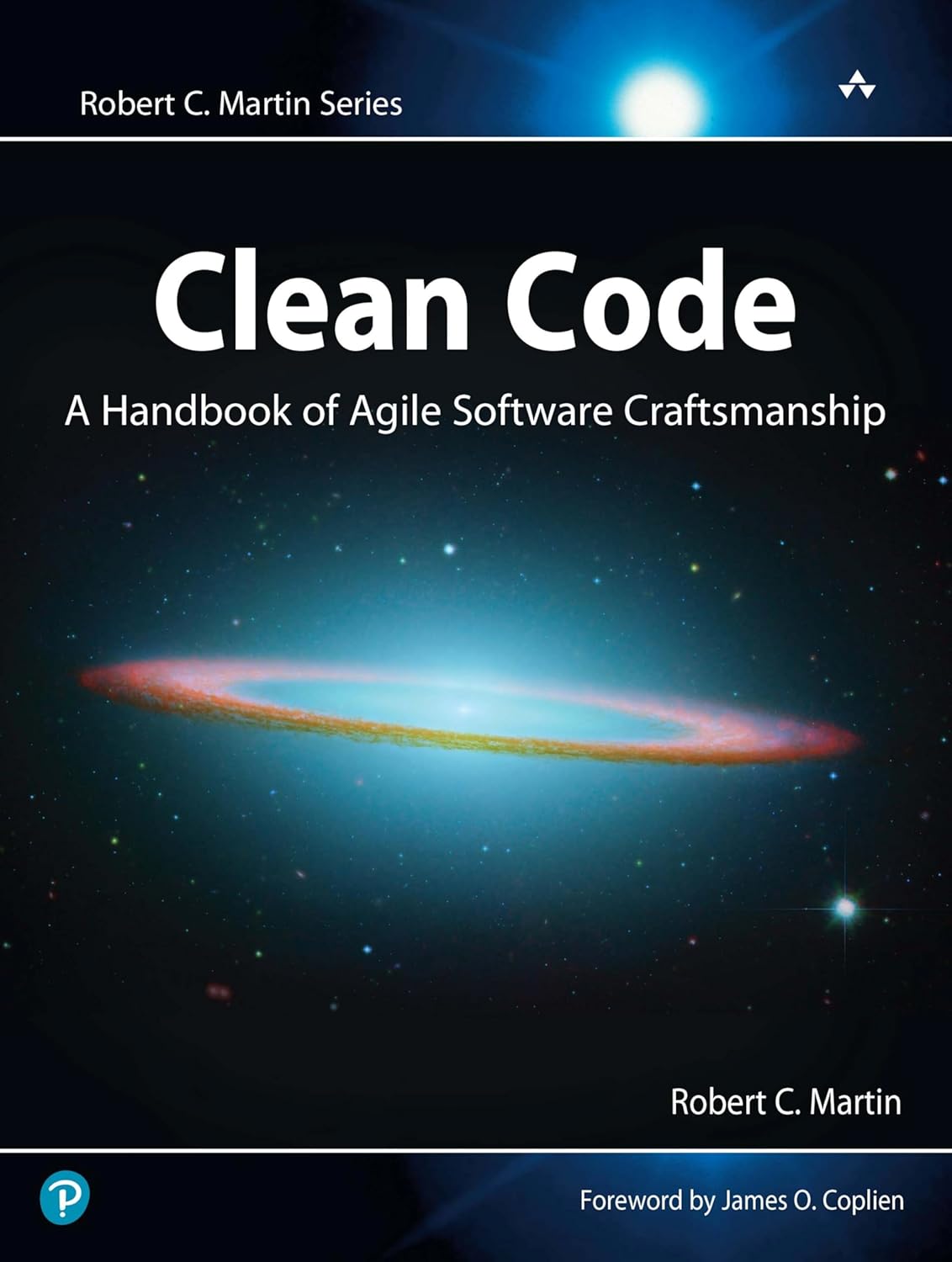
In the fast-evolving world of software development, writing functional code is just the beginning. The real challenge lies in creating clean, maintainable, and efficient code that stands the test of time and collaboration. Clean Code: A Handbook of Agile Software Craftsmanship by Robert C. Martin—a renowned expert in software engineering and agile practices—addresses this challenge head-on. This book is more than just a manual; it’s an essential guide designed to elevate programmers' skills by teaching them how to write cleaner, more reliable code. Whether you’re a seasoned developer or a newcomer aiming to improve your craft, Clean Code offers valuable insights into the art and discipline of software craftsmanship.

Key Features
Clean Code is thoughtfully organized into three distinct parts, each with a targeted focus toward better coding practices:

- Principles, Patterns, and Practices of Clean Code: The first section builds a foundational understanding of what constitutes "clean" versus "bad" code. Readers learn how to identify the hallmarks of quality code and are introduced to practices that enhance code readability, simplicity, and maintainability.
- Case Studies in Code Refactoring: The second section offers hands-on exercises where readers engage with increasingly complex codebases. These case studies provide real-world scenarios in which “messy” code is systematically transformed into robust, efficient code. This interactive approach reinforces learning through practical application.
- Heuristics and Smells: The final part distills a comprehensive list of heuristics and code smells identified throughout the case studies. This compendium acts as a practical checklist, helping developers spot and rectify common pitfalls in their own projects.
Throughout the book, Robert C. Martin emphasizes core topics such as creating meaningful names, crafting well-structured functions and classes, formatting for readability, handling errors gracefully without clouding logic, and embracing unit testing and test-driven development (TDD). These elements together foster not only better code but a shift in mindset, championing professionalism and craftsmanship in software development.
Pros & Cons
Pros:
- Pragmatic and Actionable Advice: Many readers praise the book for its clear, practical guidance that can be applied immediately to existing codebases.
- Comprehensive Coverage: From naming conventions to error handling and testing, Clean Code covers a broad spectrum of essential software engineering practices.
- Engaging Writing Style: While technical, the book is approachable and engaging, often challenging readers to critically analyze code and their habits.
- Strong Community Reputation: With over 6,700 reviews and an impressive 4.7 out of 5-star rating, Clean Code has established itself as a staple in software development literature.
- Timeless Principles: Its teachings transcend specific languages or frameworks, making it relevant to developers across different technologies and experience levels.
Cons:
- Requires Dedication: Some readers note that the book demands active engagement—reading code examples carefully and reflecting on their own code—which can be time-consuming.
- Dense in Some Sections: A few users find portions of the book, particularly the case studies, quite detailed or complex, which may be daunting for beginners.
- Focus on Agile Context: While valuable, the agile perspective may not align perfectly with all development environments or methodologies.
Overall, the overwhelmingly positive feedback emphasizes how Clean Code can fundamentally improve coding skills and professional values—provided readers commit the effort.
Who Is It For?
Clean Code: A Handbook of Agile Software Craftsmanship is ideal for:
- Software Developers & Engineers: Those seeking to enhance their coding style, write more maintainable software, and embrace best practices.
- Team Leads & Project Managers: Professionals responsible for code quality and team mentoring will find useful insights into fostering clean coding disciplines.
- Aspiring Programmers: Newcomers eager to build a strong foundation will benefit from the detailed explanations and examples.
- Quality Assurance & Systems Analysts: Understanding clean code principles aids in better communication and collaboration with development teams.
- Anyone Interested in Agile: Since the book aligns closely with agile methodologies, it supports those working within or transitioning to agile environments.
Final Thoughts
Clean Code: A Handbook of Agile Software Craftsmanship stands out as an essential resource for anyone serious about producing high-quality software. Robert C. Martin’s blend of theoretical framework, practical exercises, and a treasure trove of coding heuristics offers a roadmap not just to cleaner code, but to a more thoughtful and disciplined approach to programming. Embracing the book’s lessons can lead to reduced technical debt, improved team productivity, and a more satisfying coding experience overall.
Transform Your Software Skills Today
While it requires time and effort to absorb fully, the investment pays off by cultivating a mindset that values craftsmanship over mere functionality. For developers committed to their craft and looking to write code that’s as elegant as it is effective, Clean Code remains a timeless and invaluable guide.
Consumer Ability participates in the Amazon Associates Program and earns from qualifying purchases.